Mission Peru Immersion Trip: A Week of Service, Faith, and Brotherhood
Each year, the Brother Rice Mission Peru Immersion Trip challenges students to step beyond their daily routines and encounter the world through faith and service. Guided by the Christian Brothers and immersed in local communities, students experience firsthand what it means to walk with others, listen to their stories, and recognize the dignity of every person as a child of God.
This year’s journey took our students from the neighborhoods of Las Flores and Canto Grande to the developing community of Jicamarca. Along the way, they built a home, shared meals, formed connections, and discovered that the true purpose of an immersion experience is not simply to help others, but to stand alongside the joyful people they encounter.
Monday, June 15
Listening to Stories of Strength
After a restful night and a simple breakfast of fresh bread, yogurt, and fruit, the group traveled to Canto Grande, a community just north of Las Flores. Although only about ten years younger than Las Flores, Canto Grande remains significantly less developed, offering students an immediate lesson in how communities grow and evolve.
The day centered on meeting families and hearing their stories.
The first visit was with Tanya, a single mother of four who has long been connected to the Christian Brothers. Tanya welcomed the students into her modest plywood home and shared the realities of supporting a family through the sale of handmade bracelets. The students quickly learned that what appeared simple required tremendous skill and patience. While Tanya could complete a bracelet in minutes, most of the boys struggled just to prepare the thread.
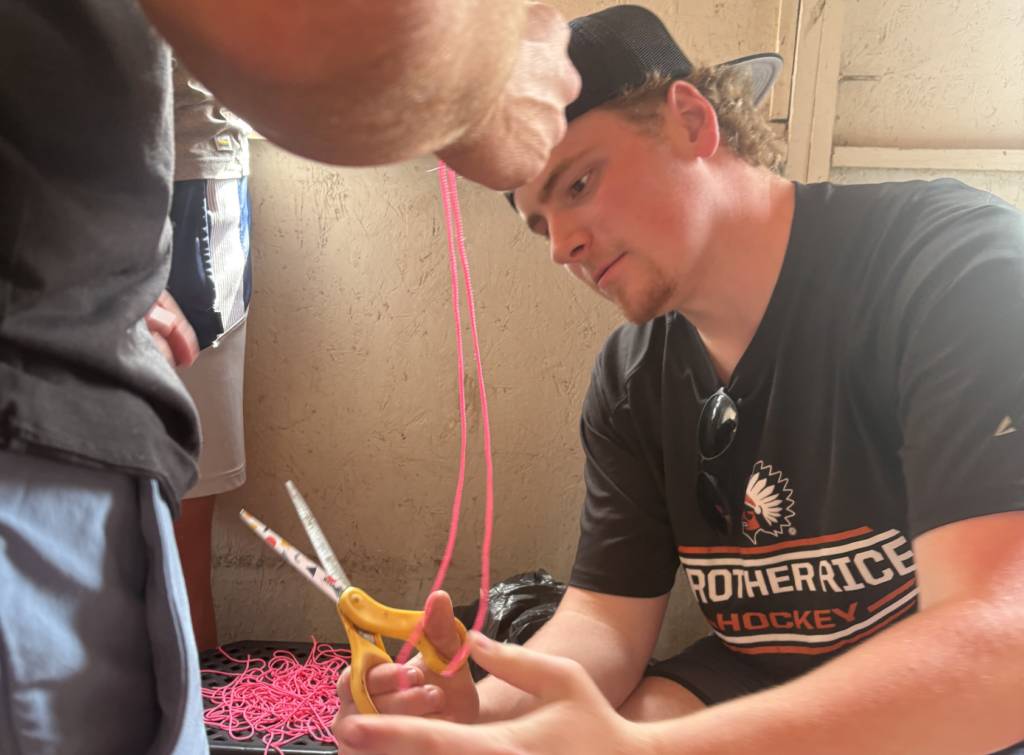
Later, the group visited Carmen, who works with her family producing clothing that is sold in local markets. Her story illustrated the challenges many families face as they work long hours for very modest wages. Students listened attentively as Carmen described the sacrifices required to support her family and expressed her gratitude for the relationships built through the immersion program.
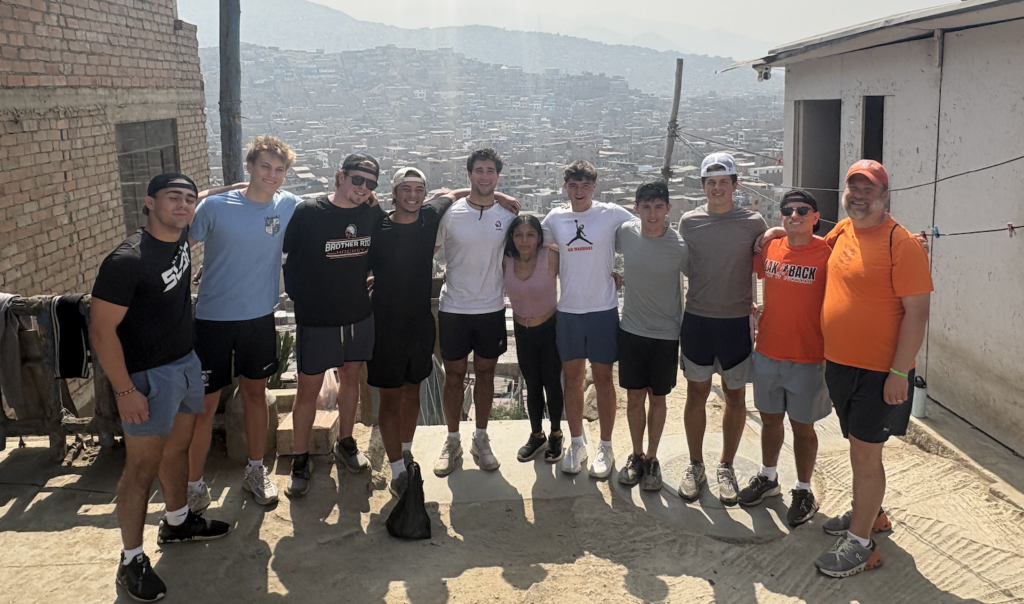
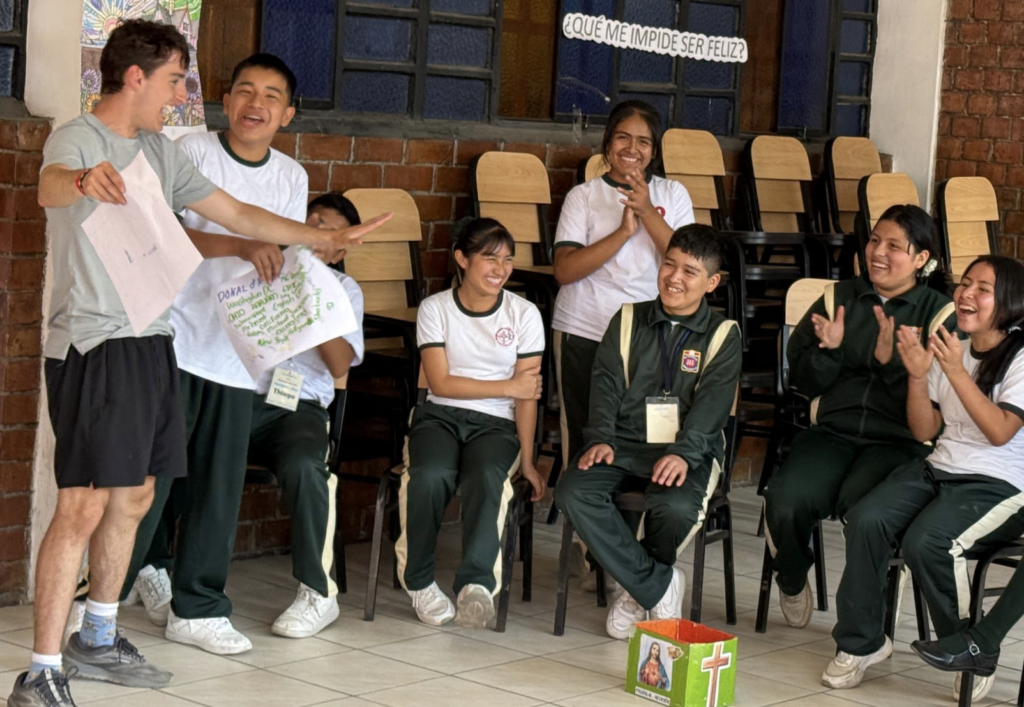
The afternoon concluded at the Edmund Rice School in Fe y Alegría. There, the students spent time playing with first graders, meeting high school students, and planting a tree alongside many others planted by visiting Edmund Rice schools from around the world.
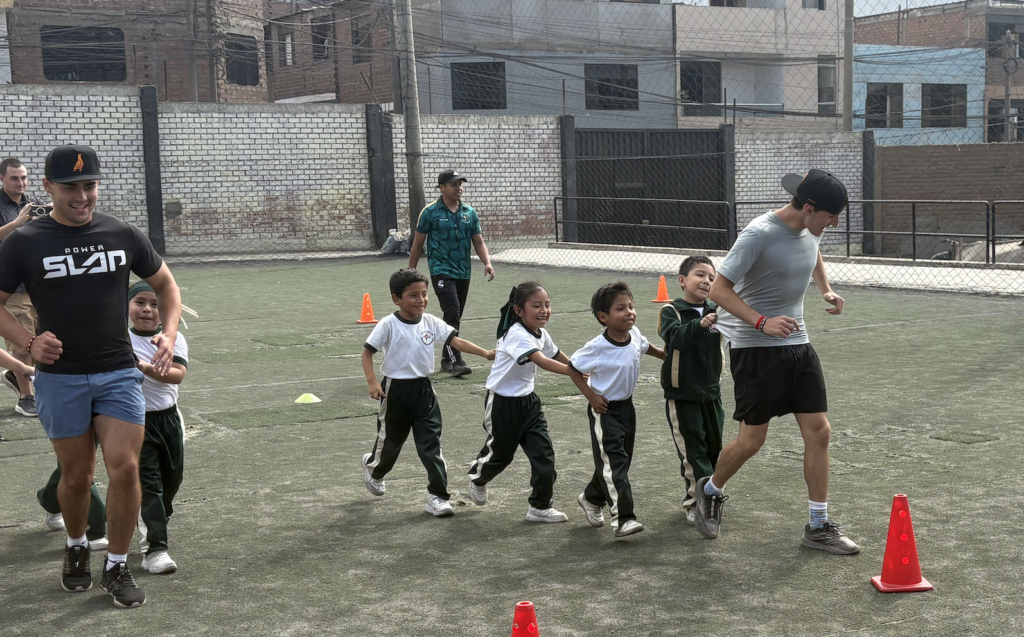
By day’s end, the students had already begun to understand that the Mission Peru Immersion Trip is rooted in relationships. Service begins with listening.
Tuesday, June 16
Arriving in Jicamarca
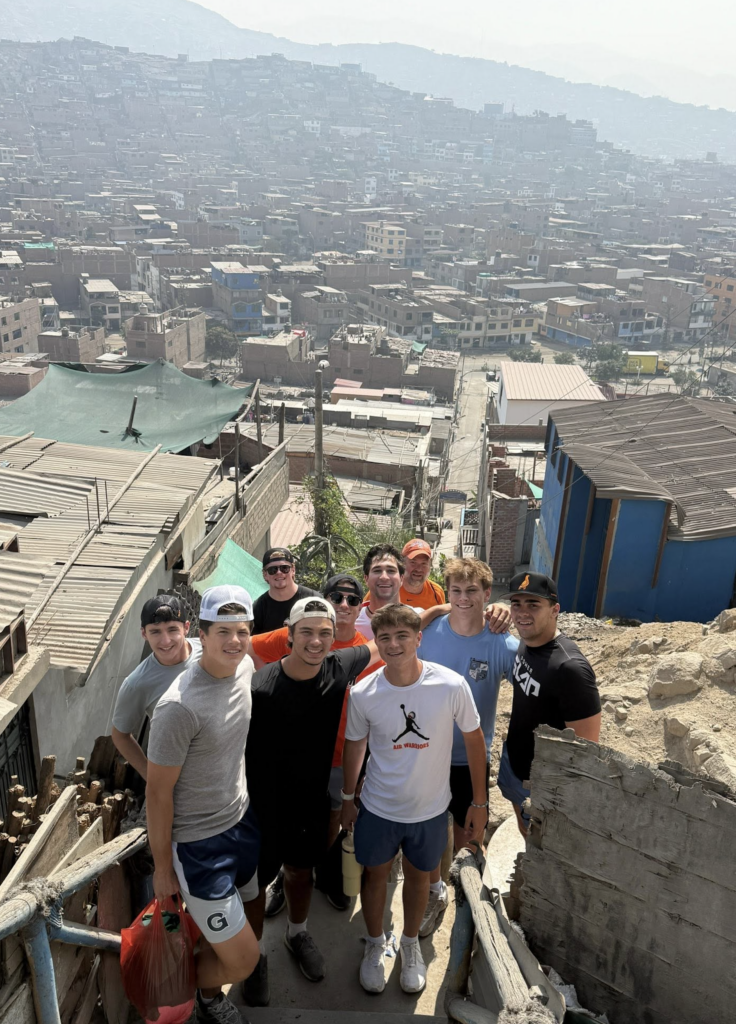
The next morning, the group traveled approximately one hour to Jicamarca, a rapidly developing community that is only about twenty years old.
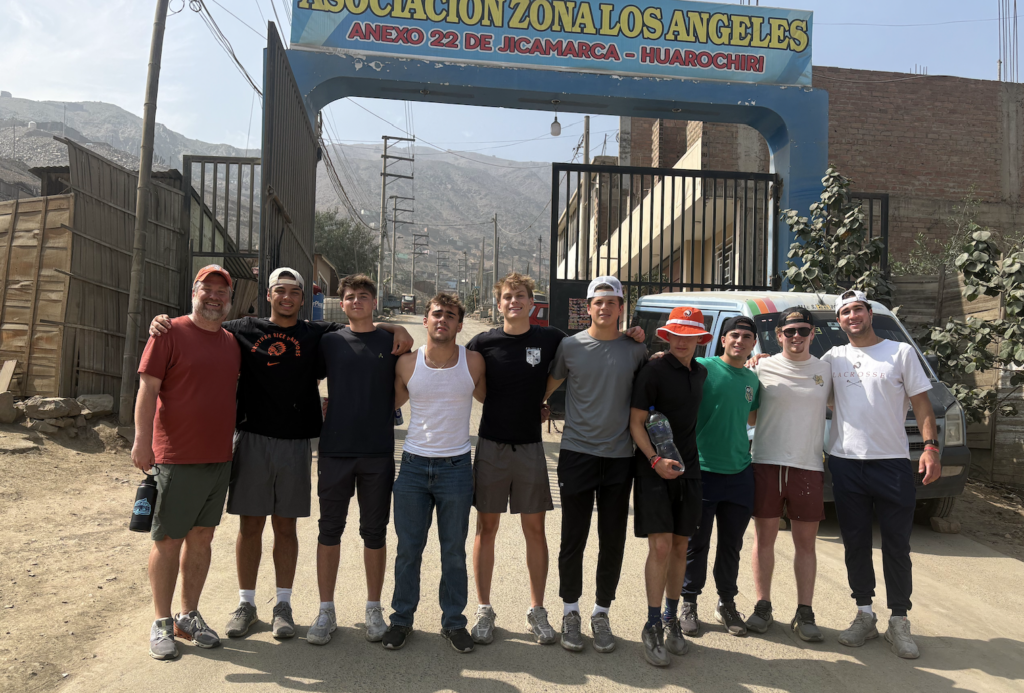
As they walked through the area, the students observed a community still in its earliest stages of growth. Brother Stephen helped them envision what Jicamarca might look like ten, twenty, or even thirty years from now. The conversations sparked thoughtful questions and deeper curiosity about poverty, development, and opportunity.
The group settled into the Los Angeles neighborhood of Jicamarca, where they would stay with Jose and his family. Their hosts welcomed them warmly, providing meals, lodging, and an authentic glimpse into daily life in the community.
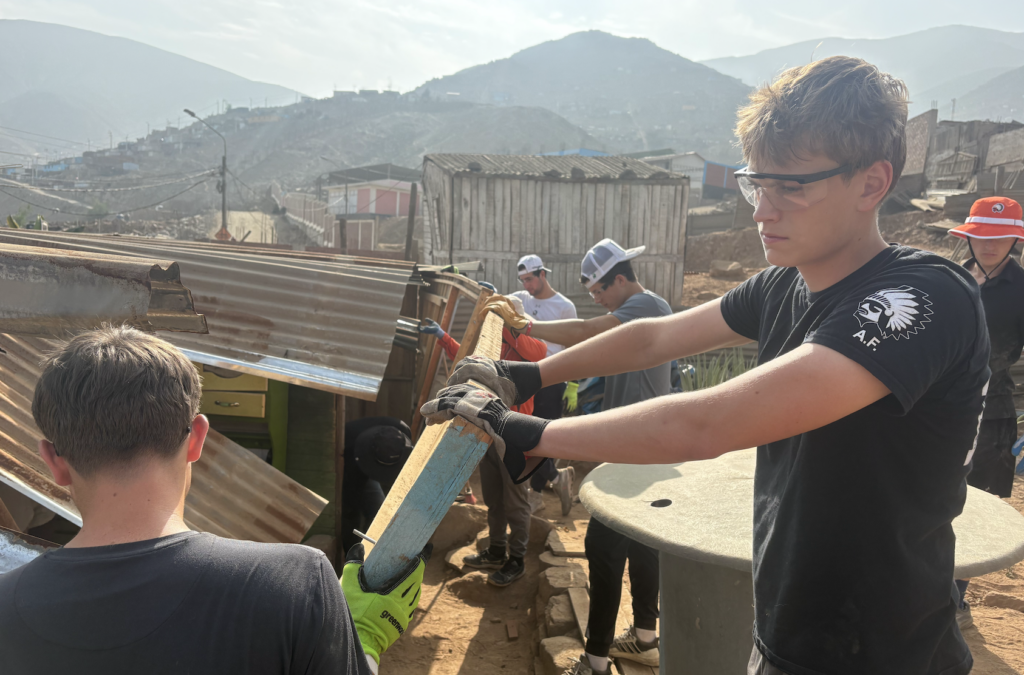
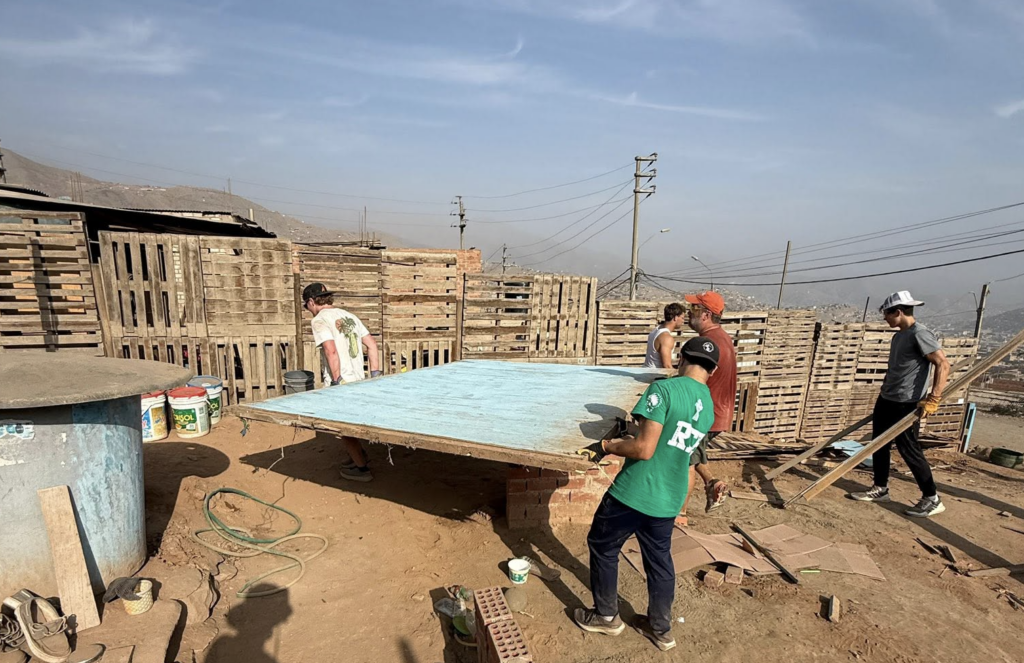
Work began immediately at the home of Luis, an elderly man facing health challenges and living in a deteriorating house. In just a few hours, the students emptied the existing structure and carefully dismantled it to prepare for construction.
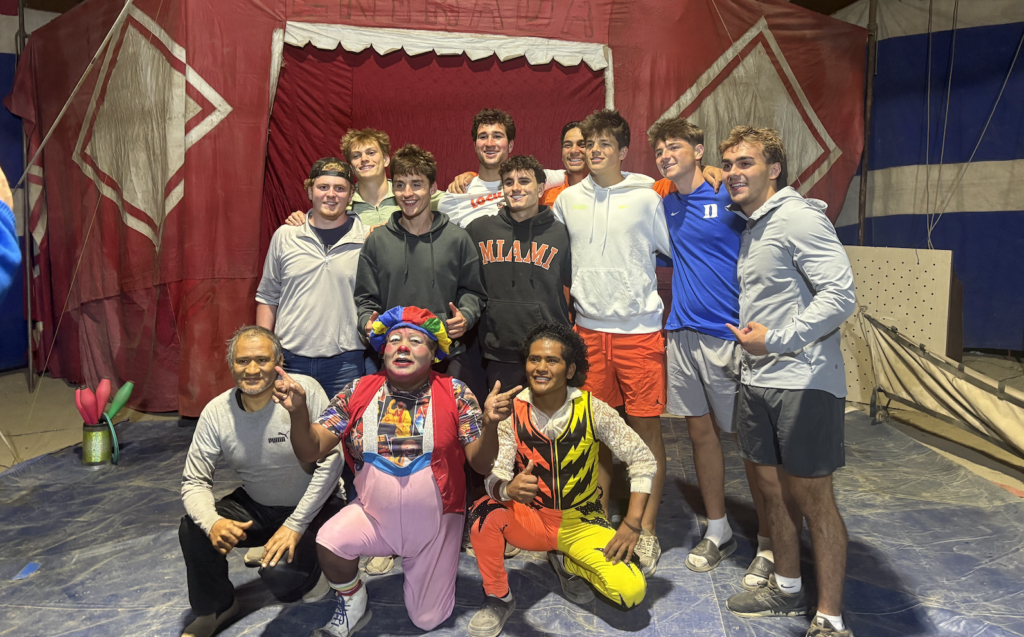
The evening offered an unexpected adventure when a traveling circus arrived in town. Though small in scale, the show revealed the hard work and determination of the performers, who handled everything from ticket sales and concessions to the entertainment itself. The students appreciated the experience and left the performers grateful for their support.
That night, during reflection, a powerful realization emerged. The purpose of immersion is not to “help the poor.” It is to walk with people, learn from them, and recognize our shared humanity. As the students reflected on the day, empathy began replacing assumptions.
Wednesday, June 17
Building a Home
An overcast morning provided perfect conditions for the work ahead.
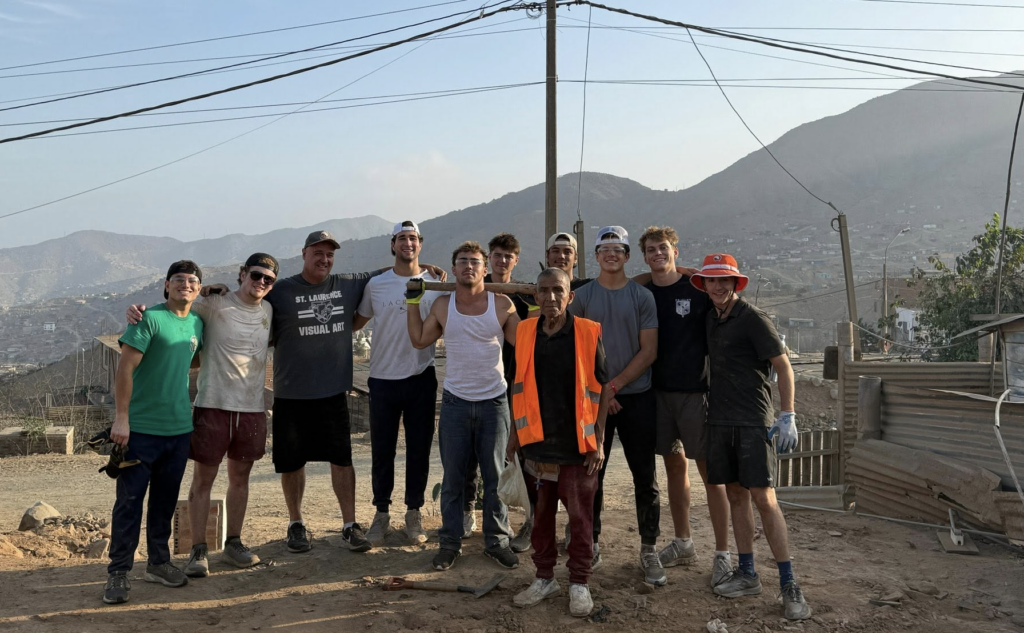
Returning to Luis’ property, the students met the carpenter and unloaded materials for the new home. What began as stacks of lumber quickly transformed into a structure. Within forty-five minutes, the framework of the house stood proudly on the hillside.
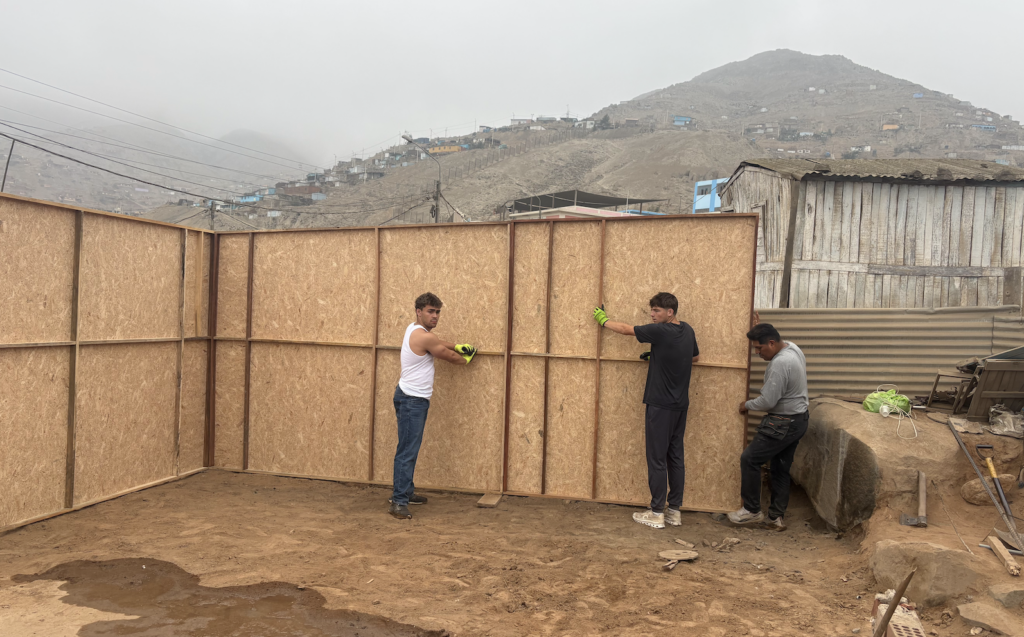
The students worked side-by-side with local builders, carrying materials, securing walls, and painting the interior. Some admitted they had never painted before, but they quickly learned as they transformed the house room by room.
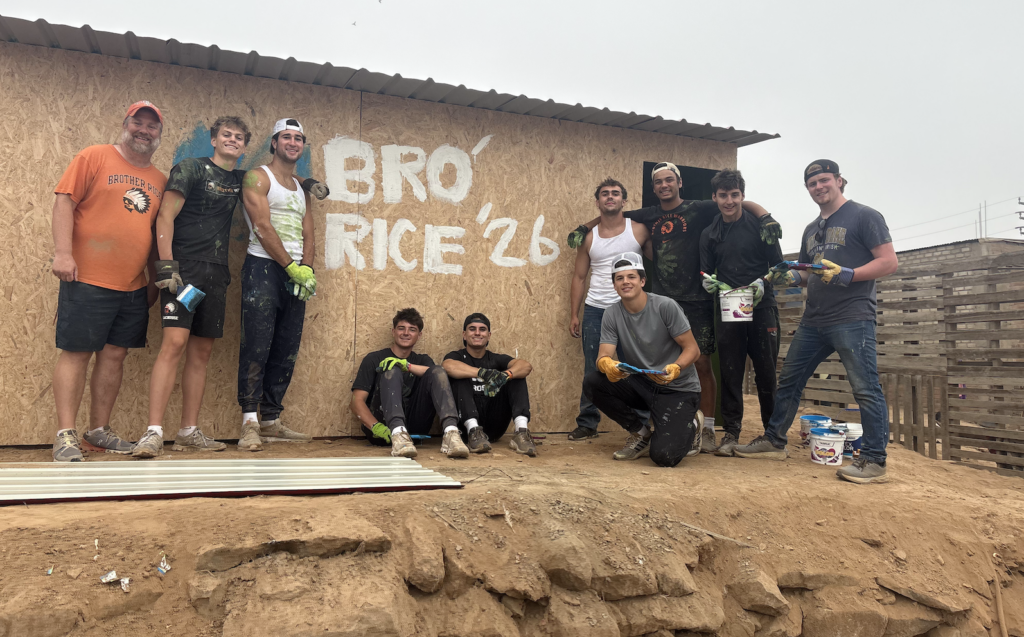
After lunch, attention turned to the exterior. The bright blue paint made the home stand out among the surrounding structures and symbolized the fresh start being created for Luis.
Later that evening, the students visited a community center built through the generosity of supporters connected to the Edmund Rice community. There, they spent time with local children, playing games, sharing laughter, and building friendships that transcended language barriers.
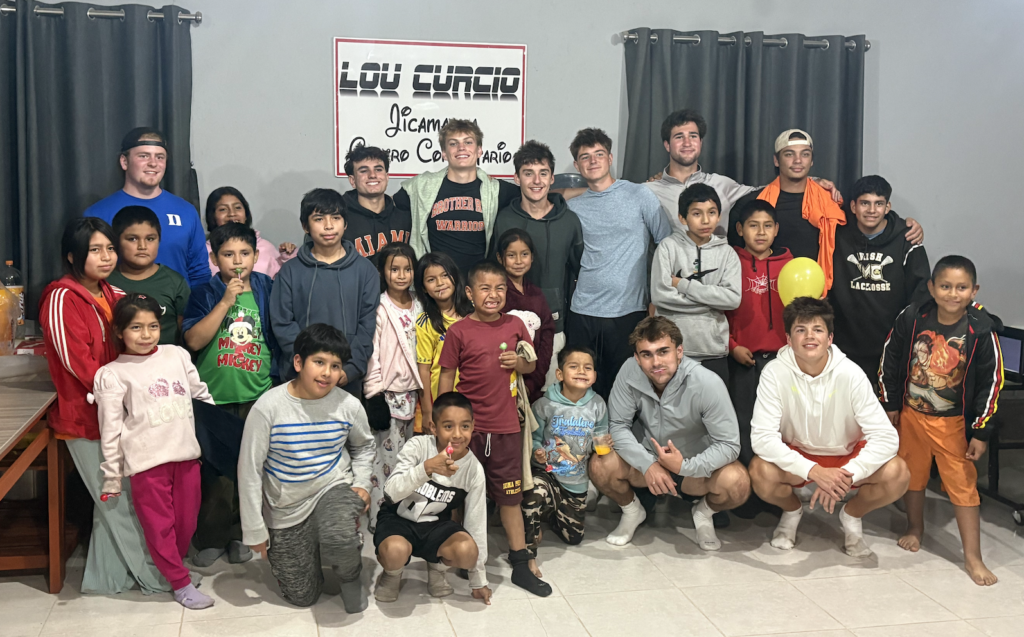
The day ended with a sense of accomplishment. What had been an empty plot just hours earlier was now becoming a place someone could proudly call home.
Thursday, June 18
Finishing the Work and Celebrating Community
The morning began with heavy mist and muddy pathways as the students returned to Luis’ home for the final stage of construction.
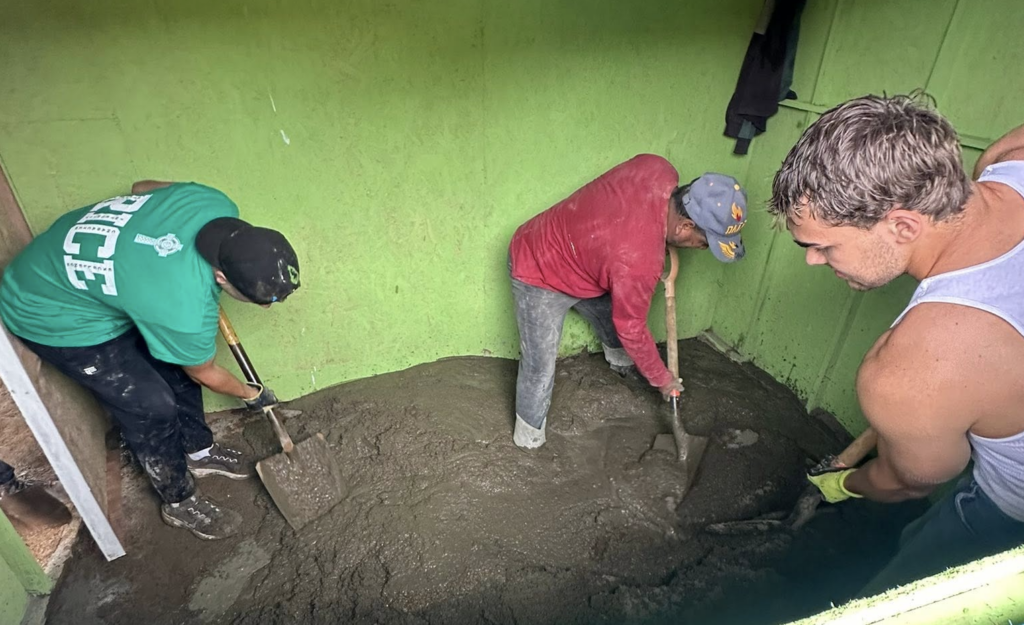
Using an assembly-line approach, they carried sand and cement into the house before learning how to mix and spread the concrete flooring. The work was physically demanding, but the students remained focused and patient, ensuring every step was completed correctly.
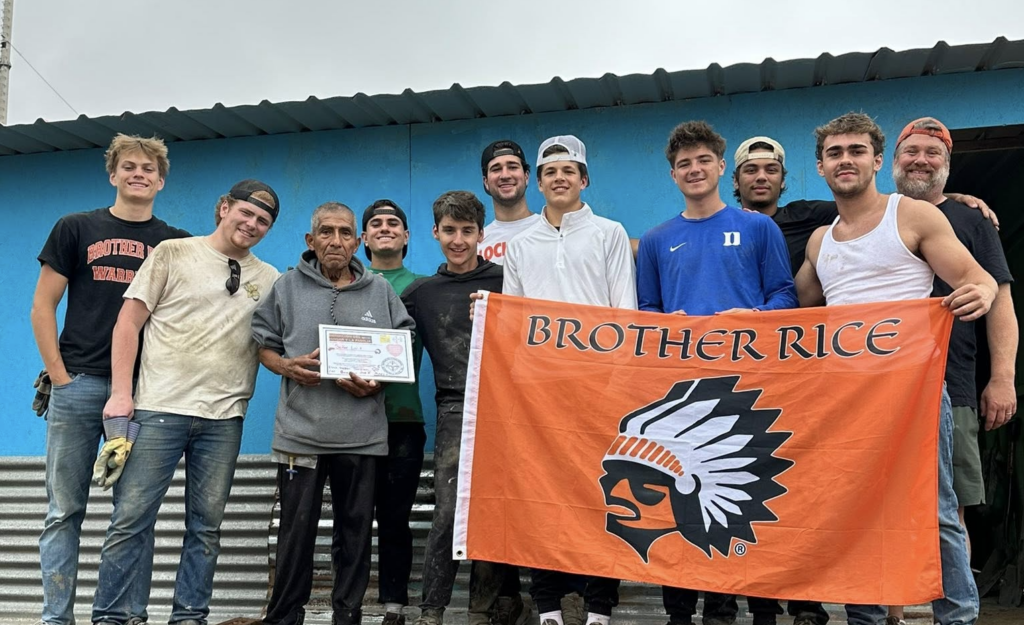
Before leaving, they gathered for a blessing of the home. Luis spoke emotionally, expressing his gratitude for the gift of a safe and secure place to live. The students listened as Brother Casey translated his words and then shared hugs, prayers, and photographs together.
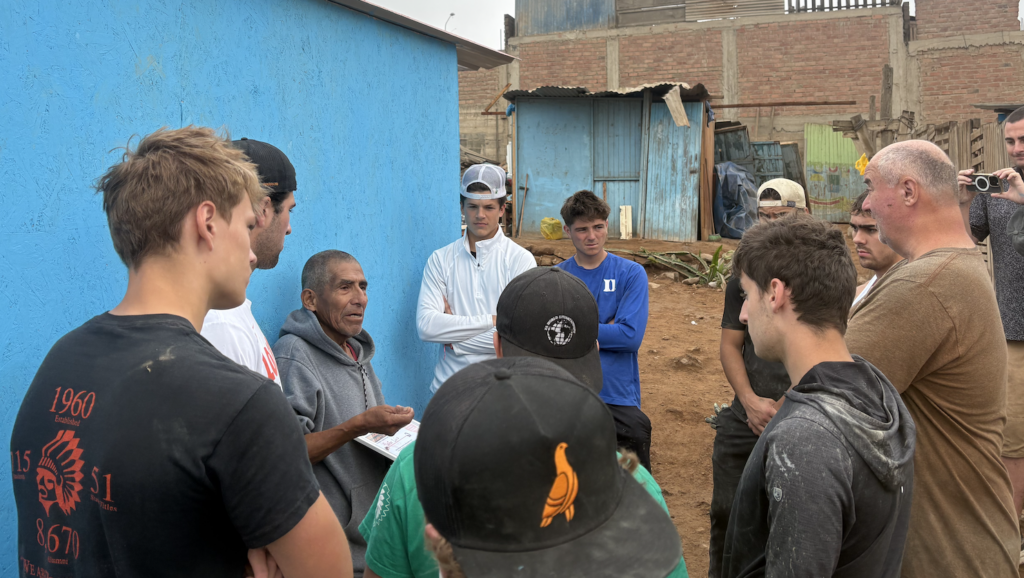
The experience provided a powerful reminder that while the students had helped build a house, they had also built a relationship.
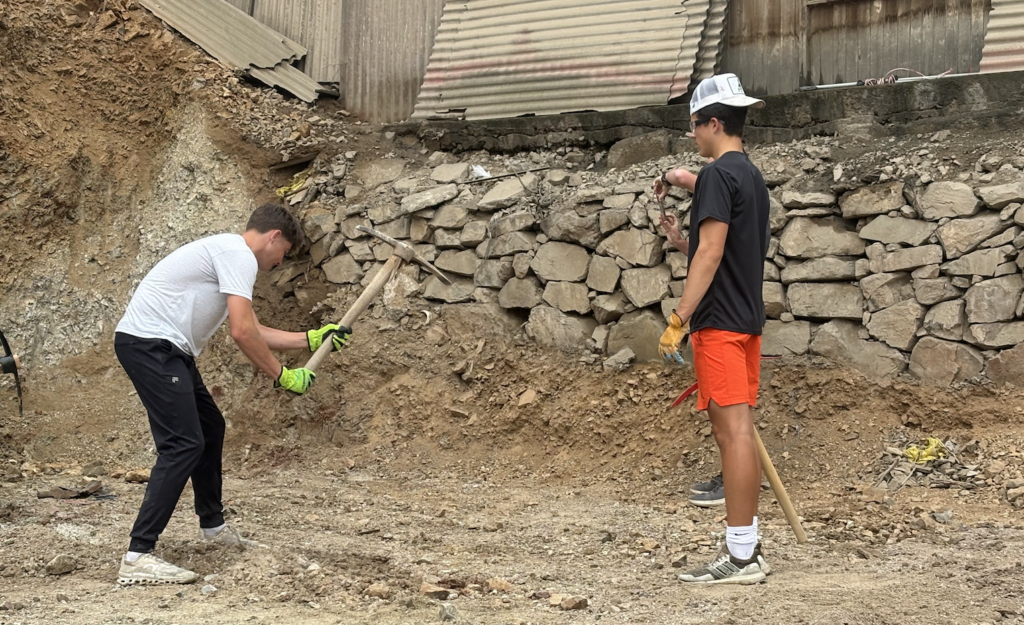
The afternoon was spent helping to prepare the foundation for another home. Unlike Luis’ house, this project would be completed by several immersion groups over time, symbolizing how many hands and many hearts contribute to lasting change.
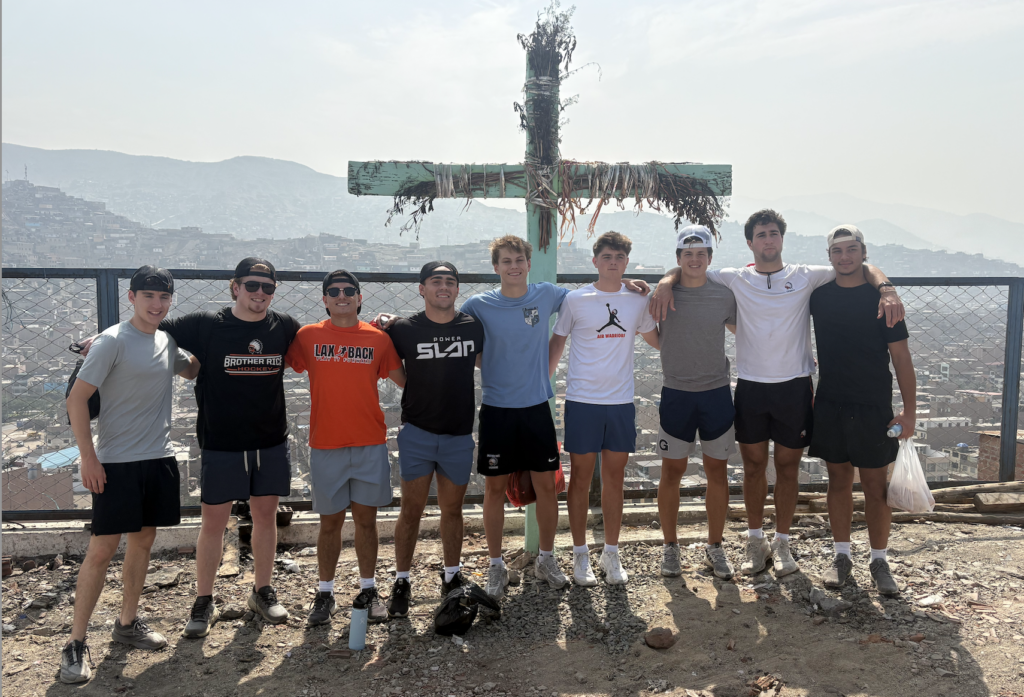
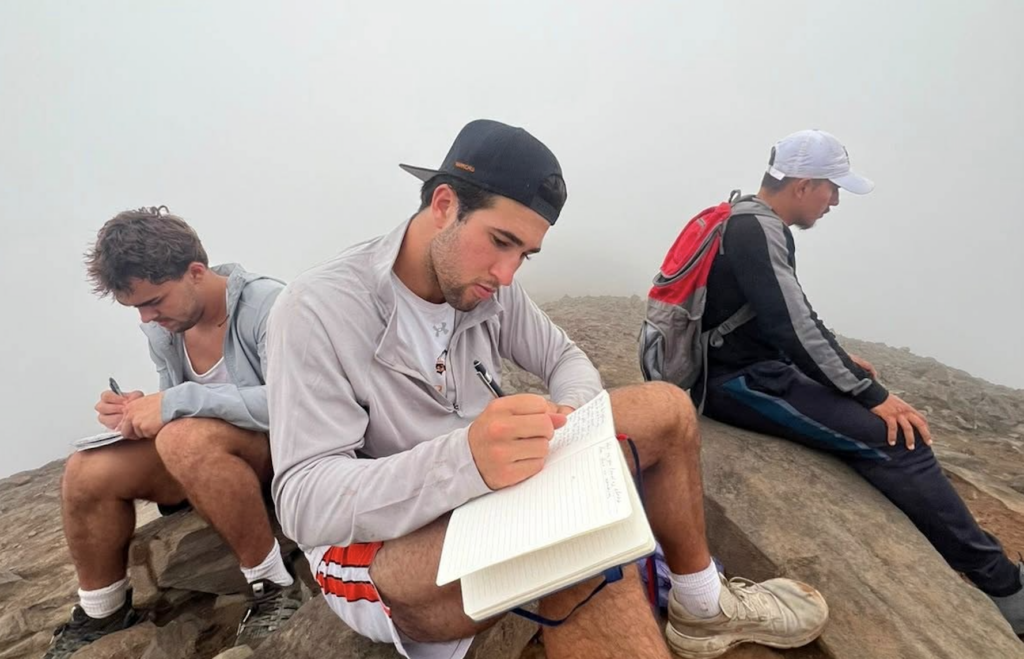
Later, the students hiked into the hills overlooking Jicamarca. Surrounded by clouds and sweeping views, they paused to write reflections in their journals and consider all they had experienced during the week.
That evening, Jose and his family prepared a traditional Peruvian feast using a cooking method that buries food beneath intensely heated stones. As each dish was presented, students learned about its cultural significance and connection to Peru’s history and traditions.
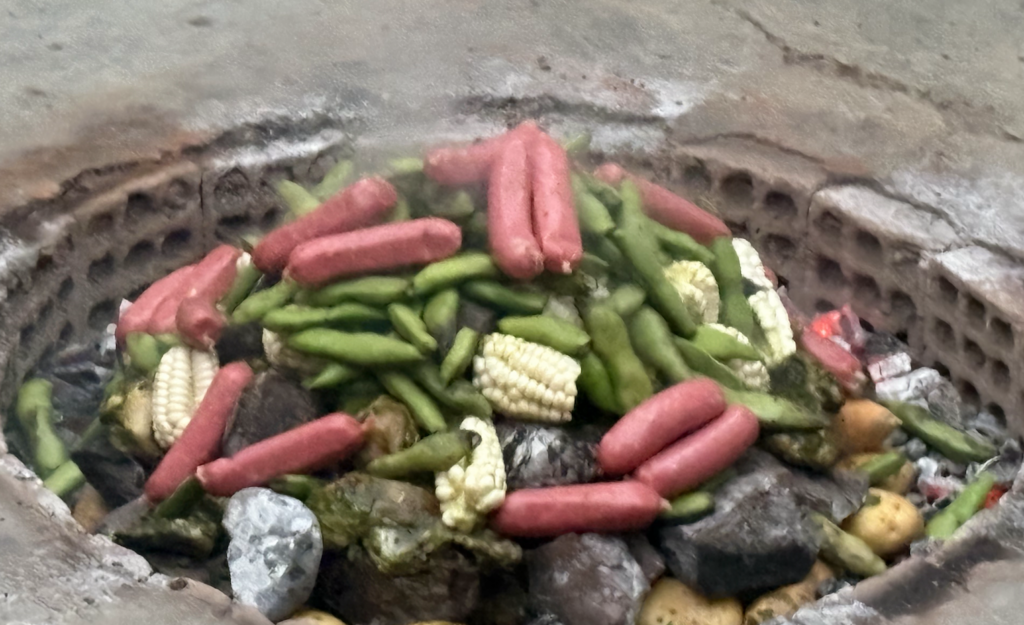
For many, it was one of the most memorable meals of the trip.
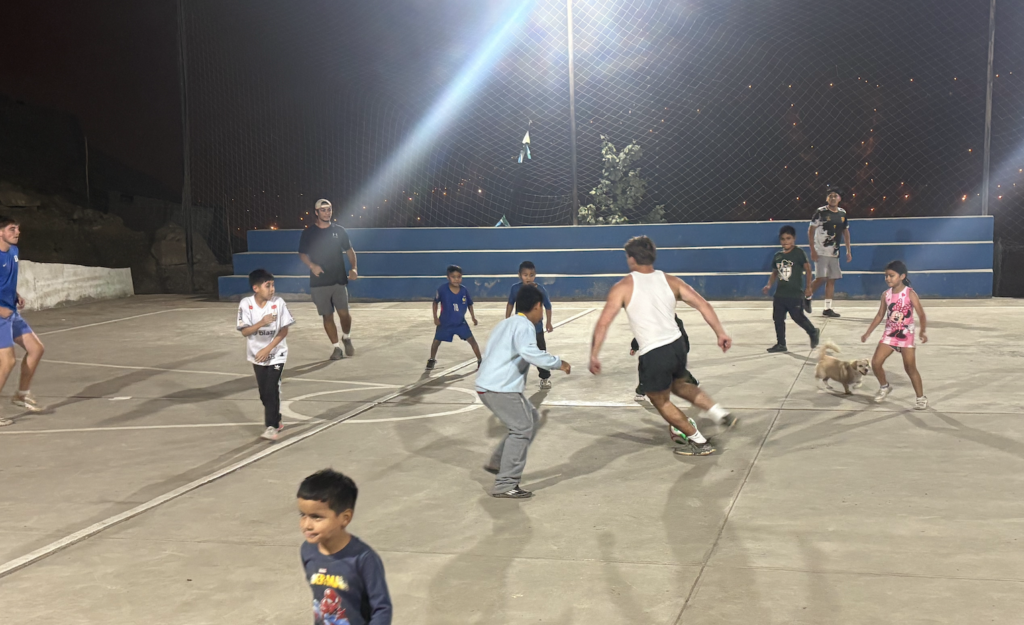
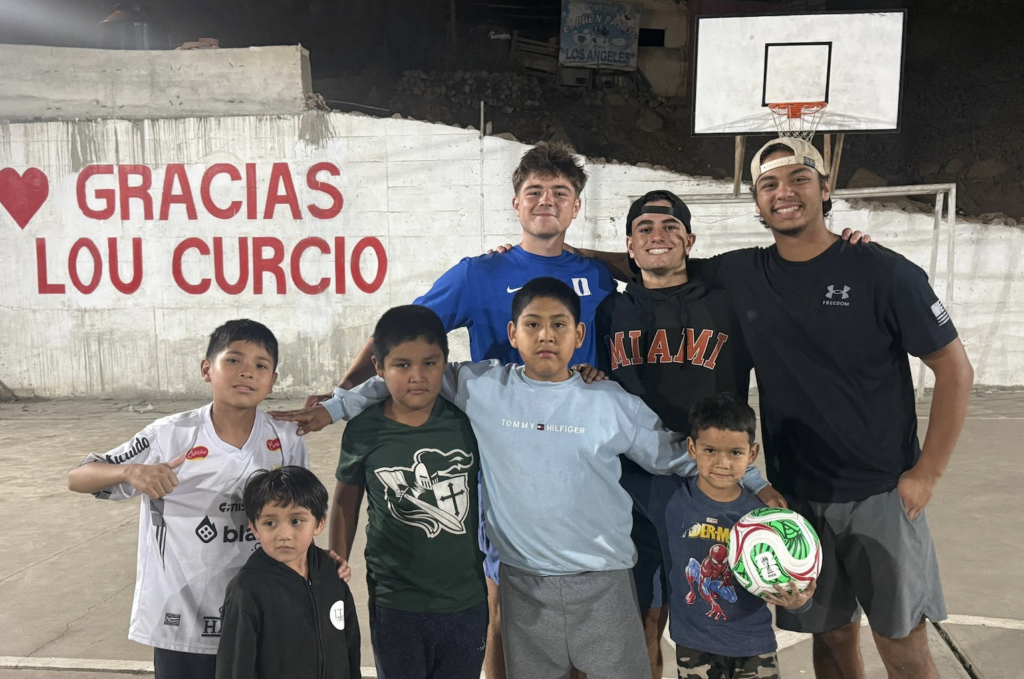
The day concluded with an impromptu soccer match against local children, a fitting reminder that joy and friendship often transcend language, culture, and circumstance.
These two days fit nicely as the closing chapters of the story. I’d recommend emphasizing reflection, gratitude, and the contrast between serving and sightseeing, which becomes a powerful conclusion to the overall immersion experience.
Friday, June 19
Finishing Strong
After several early mornings throughout the week, the students enjoyed an extra hour of sleep before beginning their final workday in Jicamarca.
Following another breakfast of bread, jam, and avocados, a menu item that many admitted they would not miss, they headed next door to help lay the foundation for a future home belonging to Jose’s daughter. For more than two hours, the students mixed and spread cement, continuing the work that future immersion groups will help complete.
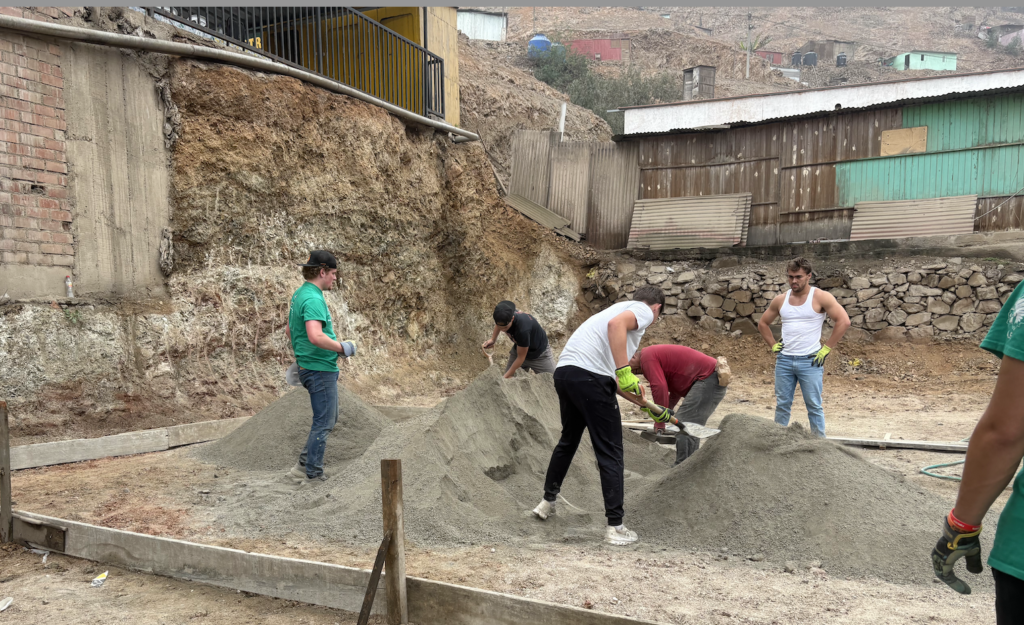
The project served as a fitting reminder that meaningful change often happens one step at a time. Just as Luis’ home was made possible through many helping hands, this future home will stand as a testament to the collective efforts of countless students who answer the call to serve.
To celebrate the group’s hard work throughout the week, Brother Casey prepared a barbecue featuring burgers and chorizo. The gathering provided a chance to relax, laugh, and enjoy one another’s company after several physically demanding days of service.
Later that afternoon, the group returned to Lima. After an hour-long bus ride, students were greeted by something many had come to appreciate more than ever: a hot shower. Following days of construction work, dusty roads, and long hours outdoors, it felt like a luxury.
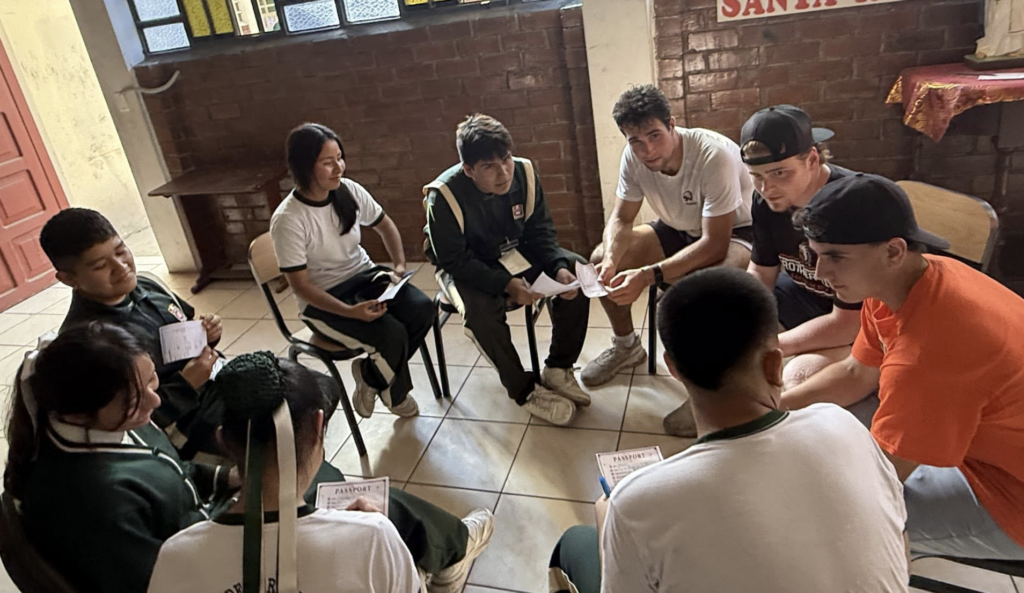
That evening, after a traditional Peruvian dinner, the group gathered for one final reflection led by Brother Robert. Students looked back on the experiences they had shared and took time to write affirmations about one another. Throughout the week, they had worked together, prayed together, and grown together. The exercise served as a reminder that the bonds formed during immersion often become some of the most meaningful aspects of the experience.
Each student also received a Peruvian cross, a symbol of the faith, relationships, and memories they would carry home with them.
The night concluded with several spirited rounds of Euchre and the anticipation of one final day in Peru.
Saturday, June 20
A Final Look at Peru
The final day of the Mission Peru Immersion Trip offered students an opportunity to experience a different side of Lima.
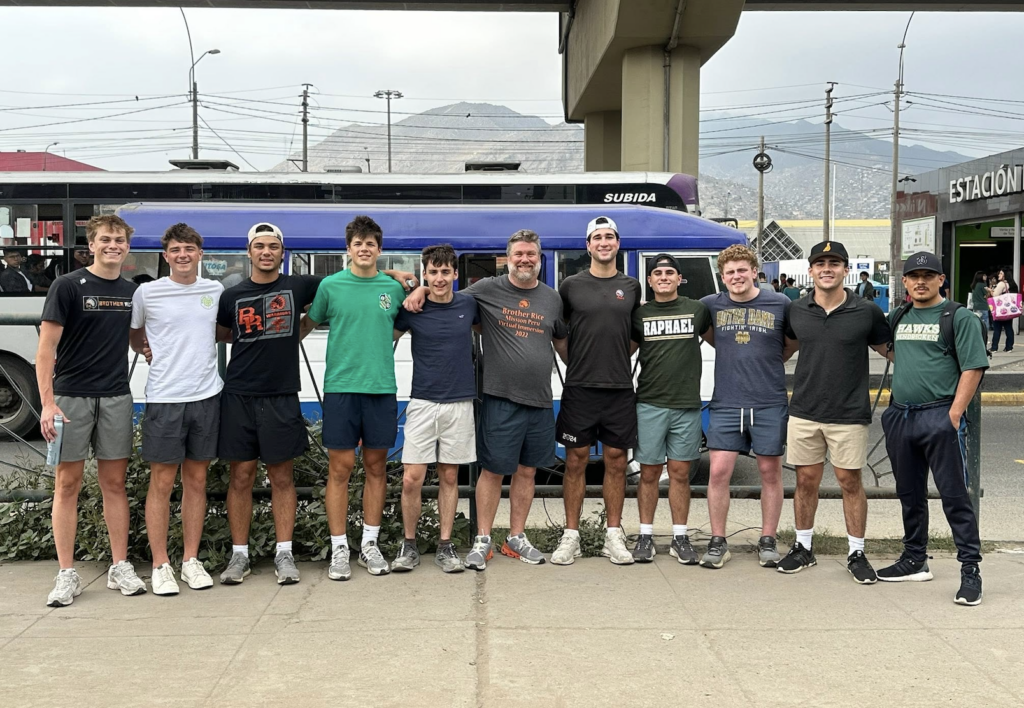
After breakfast, the group traveled by train and bus to the coastal districts of Barranco and Miraflores, areas known for their beauty, tourism, and economic prosperity. Having spent much of the week in communities facing significant challenges, students now witnessed another dimension of life in Peru.
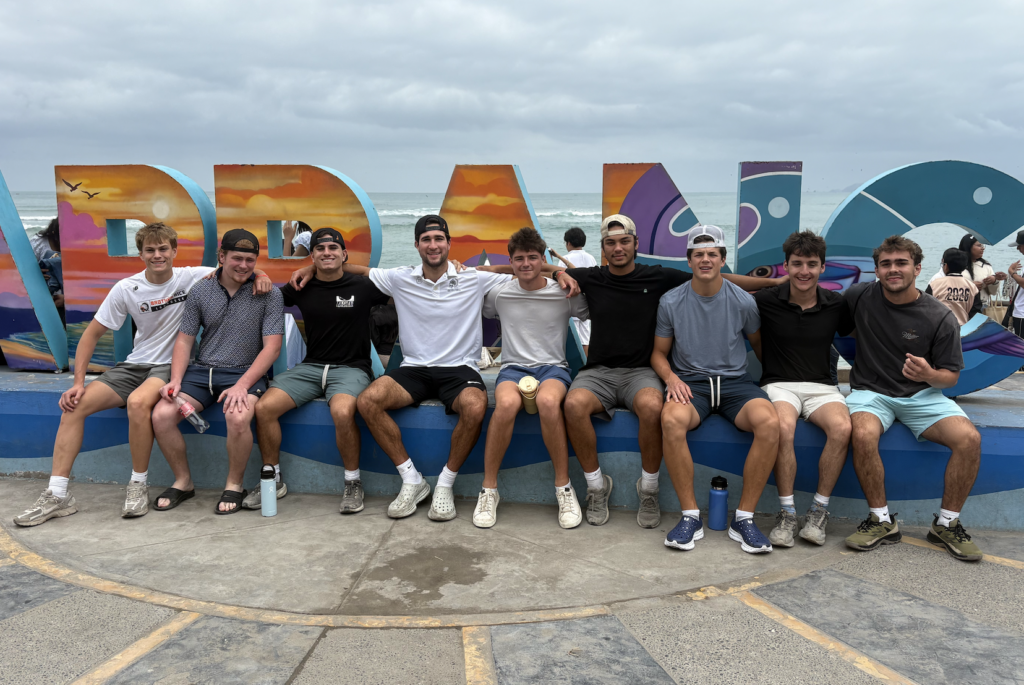
The contrast was impossible to ignore.
The group walked along the beaches of Barranco, enjoyed local cuisine, and explored the vibrant neighborhoods that attract visitors from around the world. Later, they spent time in Miraflores, one of Lima’s most popular tourist destinations, where students browsed shops, searched for souvenirs, and practiced their negotiating skills in local markets.
As enjoyable as the day was, something became increasingly clear.
The highlights students discussed most were not the shopping districts, scenic views, or tourist attractions. Their minds continually returned to the families they had met, the stories they had heard, and the relationships they had formed throughout the week.
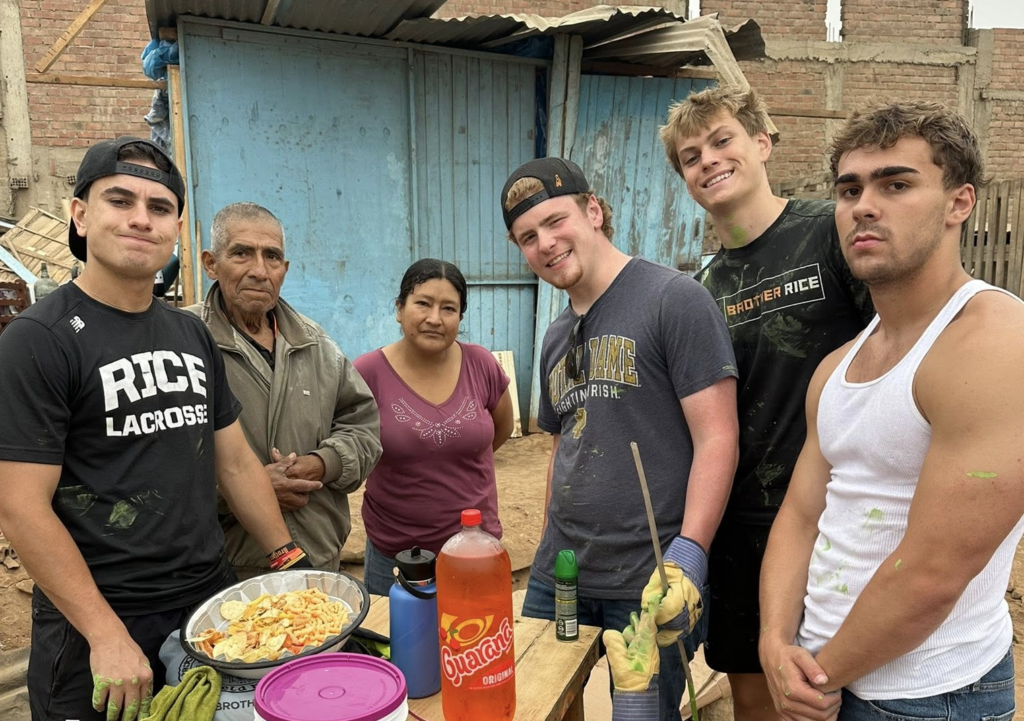
The homes they helped build, the children they played with, the meals they shared, and the conversations they experienced had left a far deeper impression than any sightseeing excursion ever could.
As the group returned to the Brothers’ house to pack and prepare for the journey home, there was a growing sense that they were leaving Peru with much more than souvenirs.
They were returning home with new perspectives, stronger faith, deeper gratitude, and a greater understanding of what it means to stand in solidarity with others.
The Mission Peru Immersion Trip is designed to transform the way students see the world. This year’s group embraced that challenge wholeheartedly.
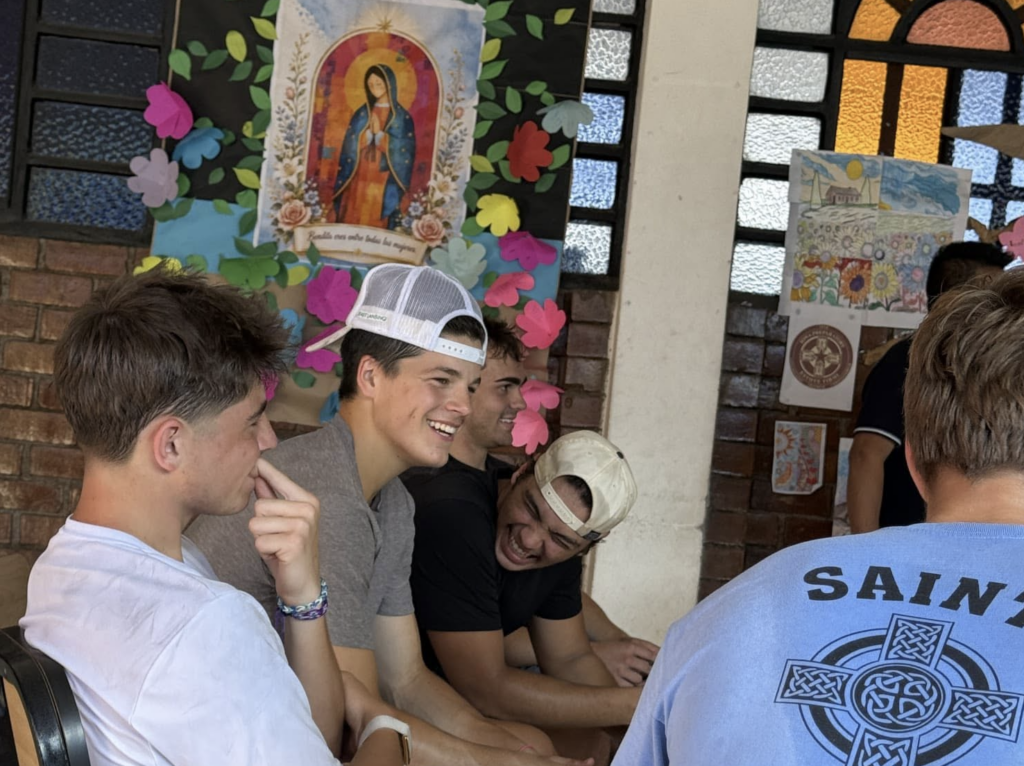
While the trip may have lasted only a week, the lessons learned, friendships formed, and experiences shared will remain with these young men long after they return home.